The Floor Plate
The arm's performance begins below it. How you anchor and level the base determines whether the specification means anything.
§ 1Foundation, Not Afterthought
A robot arm is quoted to tolerances measured in hundredths of a millimetre. Those numbers assume the arm is bolted to something that does not move. In practice, the floor plate — the steel baseplate anchoring the arm to the concrete — is where that assumption either holds or quietly fails.
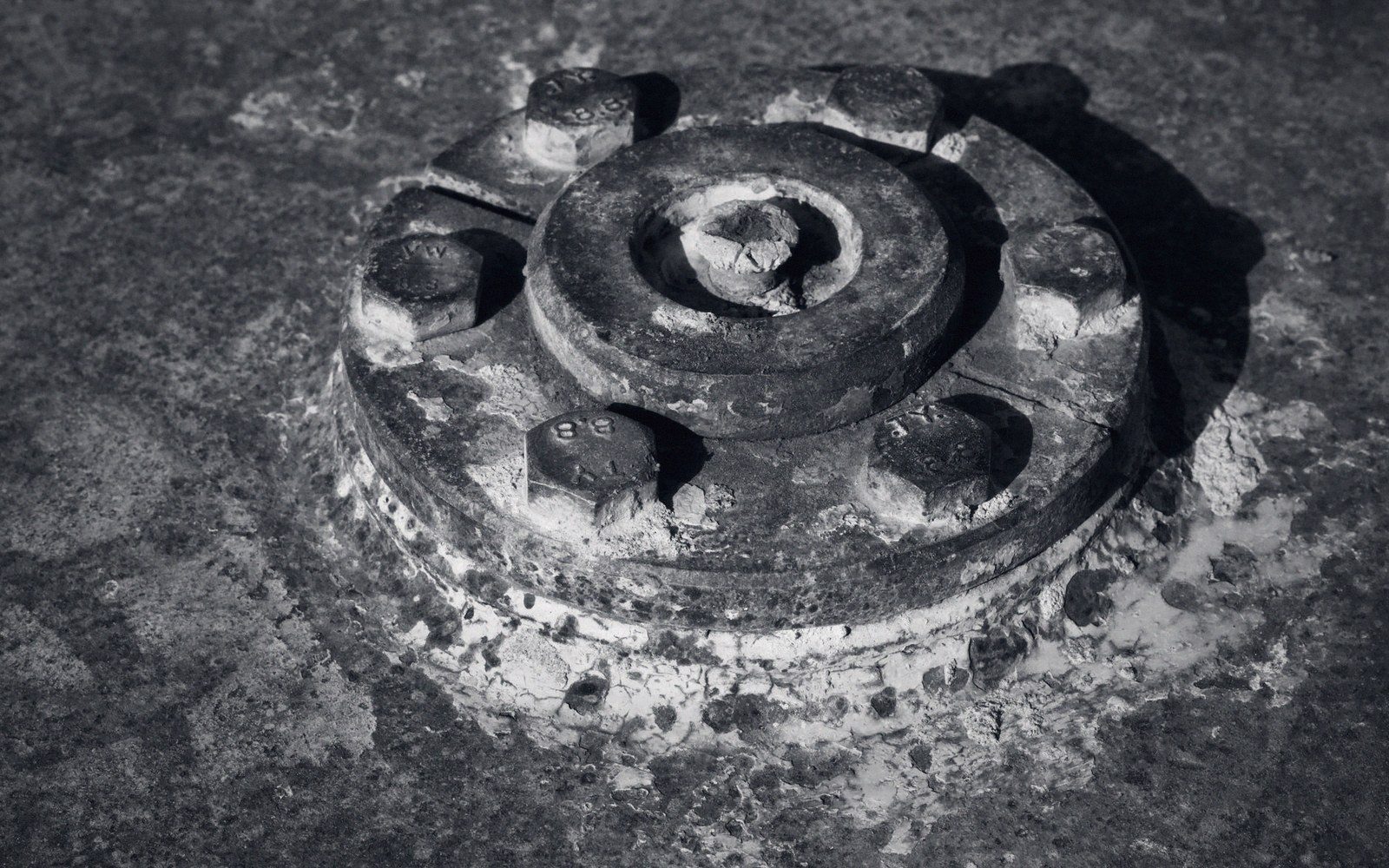
Concrete is not inert. Industrial floors flex under dynamic loads, settle unevenly over years, and transmit vibration from neighbouring machinery. A floor plate must isolate the arm from all of it, or at minimum resist it. Thicker steel helps; proper anchor bolts do more. Cast-in or chemically bonded anchors reach past the surface layer into structural concrete. Expansion anchors, acceptable in some civil applications, are generally too compliant for a robot base — they allow micro-movement under the oscillating moments an arm generates at the limits of its reach.
Levelling matters independently of anchoring. Most arms have a small tolerance on base tilt — a figure typically expressed in fractions of a degree — and exceeding it shifts the entire working envelope relative to the world frame the integrator programmed against. The arm does not know it is tilted. It will hit the correct joint angles for every stored position, and the tool centre point will arrive somewhere slightly wrong every time. The error is systematic, repeatable, and invisible to the controller.

The correct sequence is: prepare the surface, set the plate on levelling pads or grout, confirm level with a precision instrument before tightening, then torque the anchor bolts to specification in a cross pattern. Grout, where used, should fully fill the void beneath the plate — an air pocket makes the anchor geometry meaningless under dynamic load. Re-torque after the first operational period; concrete under sustained load and vibration can allow the bolts to relax.
None of this is exotic civil engineering. It is the unglamorous minimum that makes the arm's quoted repeatability meaningful rather than nominal.
Thicker steel helps; proper anchor bolts do more.